


Calendar of Events
|
Sunday
|
Monday
|
Tuesday
|
Wednesday
|
Thursday
|
Friday
|
Saturday
|
|---|---|---|---|---|---|---|
|
1 event,
-
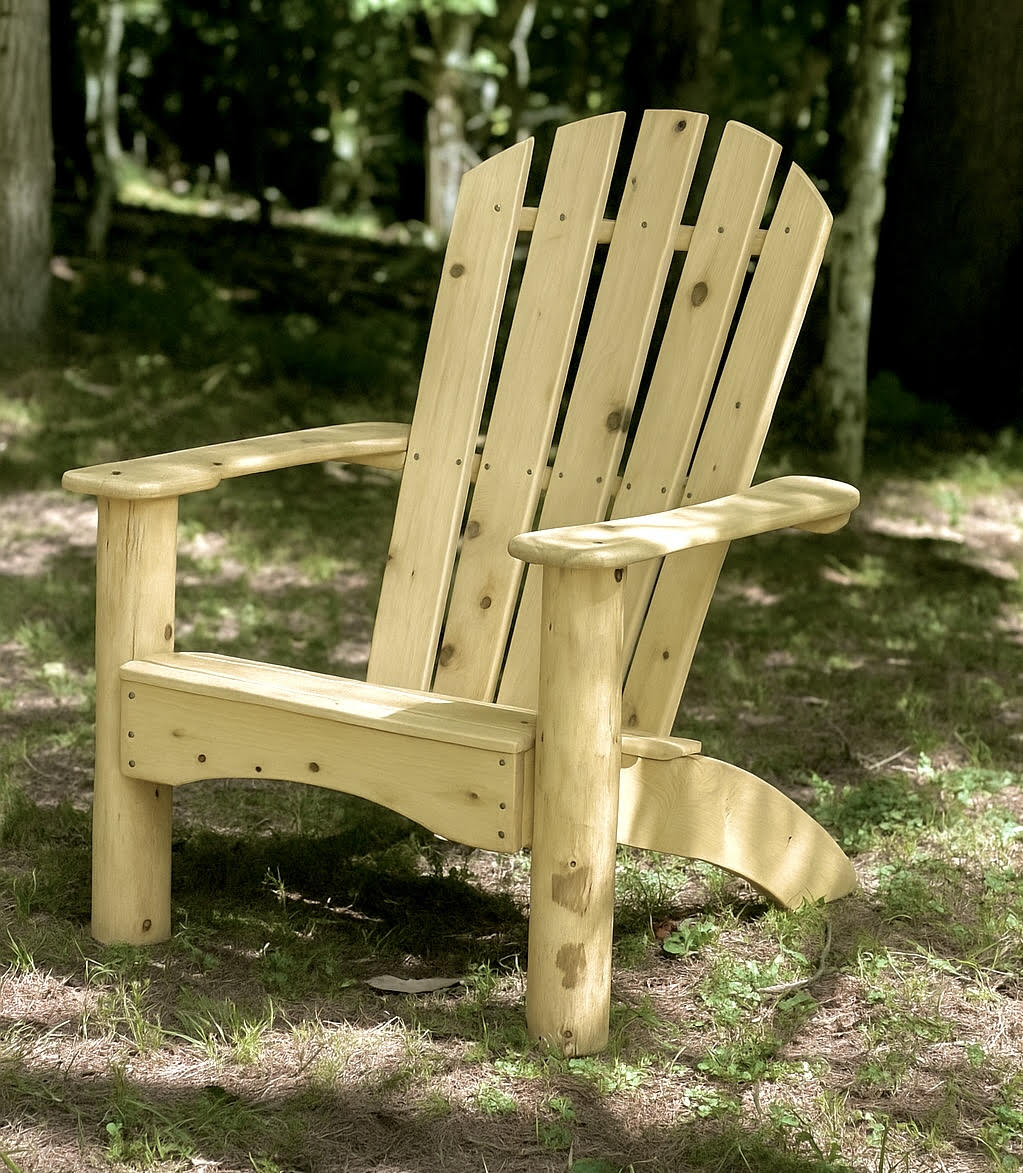
In 1903, the first Adirondack chair was built in the town of Westport, N.Y. and has since taken the world by storm. Its contoured seat and back, along with its wide arms make it the perfect chair for lounging in after a hard day's work. You will start with surfaced pine, cut the pieces, shape them on a router table, sand them and then assemble your own Adirondack chair. No prior woodworking experience is necessary but be prepared to use power tools. |
0 events,
|
0 events,
|
0 events,
|
3 events,
-
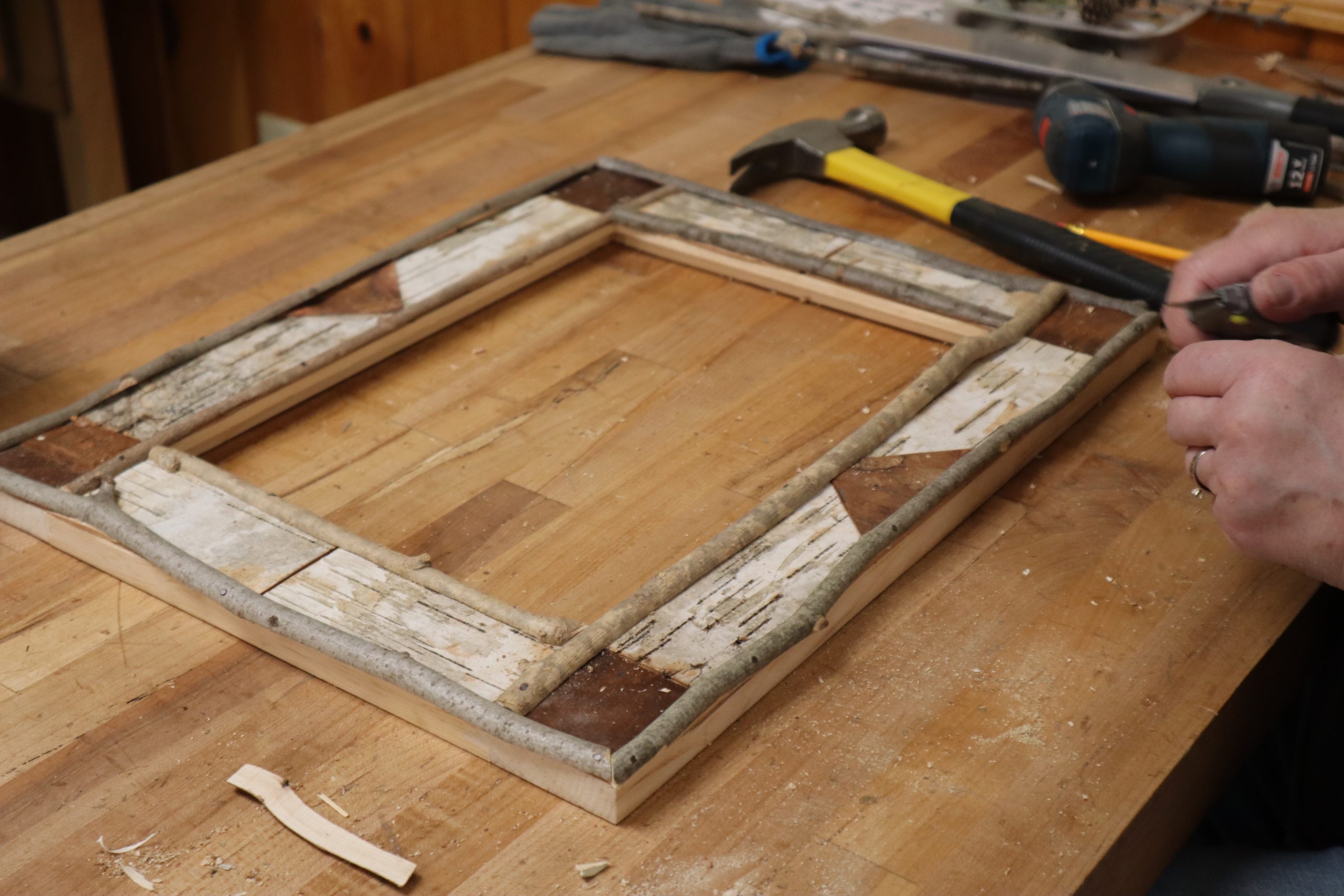
Birch bark picture frames and mirrors have adorned Adirondack camps and cabins for centuries and were a favorite winter project for the guides to make. This is a great class for beginners with limited experience with woodworking and tools. You will select a frame and learn how to cut and fasten the Birch bark, twigs and other natural objects to create your own 'masterpiece'. Come see why this is one of our most popular classes. You'll be proud to hang this in your home!
-

Would you like to try blacksmithing, and get a taste of the craft? Join instructor Steve Gurzler for 3 weekday evenings to learn how to operate a coal forge to bring metal to incandescent heat and shape it with hammer in hand. This class will use the Artist Blacksmiths Association of North America (ABANA) curriculum to teach the basics of blacksmithing. Students can expect to create 2 or more projects during the 3 evenings. Class size is limited to ensure all can advance at their own pace. Students should be high school age or older. Parents must accompany children under the age of 18.
-
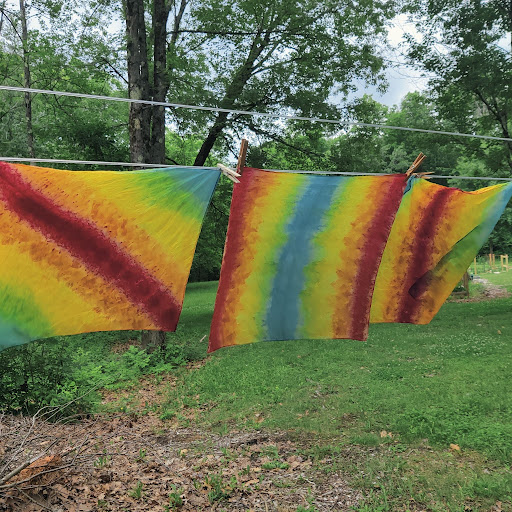
Dye a rainbow with all-natural plant material! This workshop is a great intro to natural dyeing and participants will create a wearable rainbow with the colors of the Adirondacks. Children 8 sand up can participate with a parent, or 15 and up with parent permission. |
2 events,
-
Birch bark picture frames and mirrors have adorned Adirondack camps and cabins for centuries and were a favorite winter project for the guides to make. This is a great class for beginners with limited experience with woodworking and tools. You will select a frame and learn how to cut and fasten the Birch bark, twigs and other natural objects to create your own 'masterpiece'. Come see why this is one of our most popular classes. You'll be proud to hang this in your home!
-

Are you inspired by our picturesque Adirondack lake views? Join local artist and teacher, Kate Hartley and learn the basics of watercolors in a fun, relaxed atmosphere. Realism, color mixing, wet-on-wet and wet-on-dry techniques, perspective and the "tricks" of capturing light and reflections will be emphasized. Bring a photo of your own favorite lake view, at any season, or use one provided by the instructor. Whether you have some painting experience, or have always just wanted to try, this class is for you! |
4 events,
-
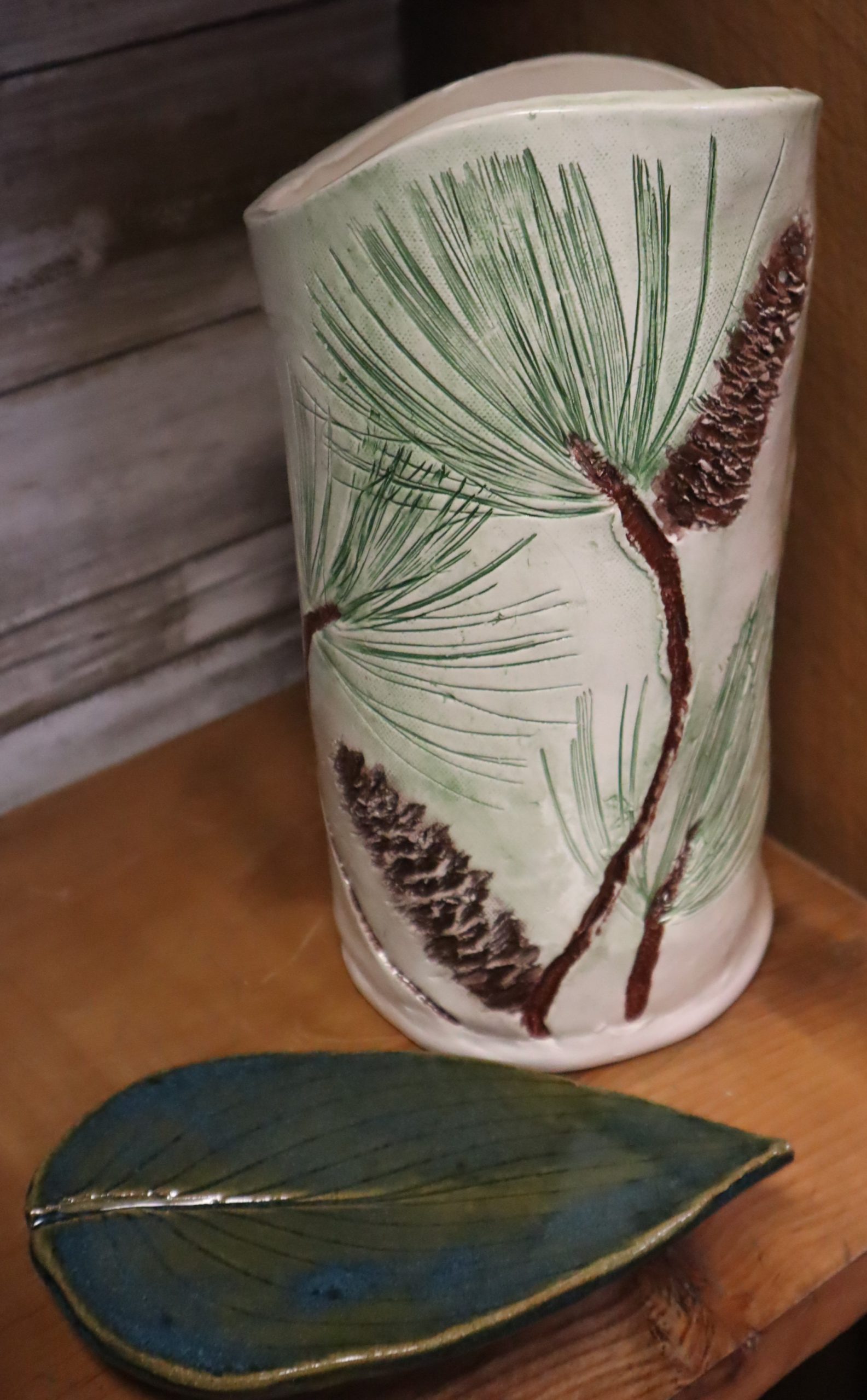
Clay arts has historical common traditions across all cultures. It is easy to shape, sculpt and transform into ceramics. Imagine making bowls, cups, wind chimes and more.... through the use of clay medium. This two-day workshop allows for experimentation in creating various forms (2-3 pieces per student). On day one students will learn basic hand-building pottery techniques; explore pinch, coil and slab. After a drying period of three weeks, on the second day students will learn how to decorate and glaze their piece.
-
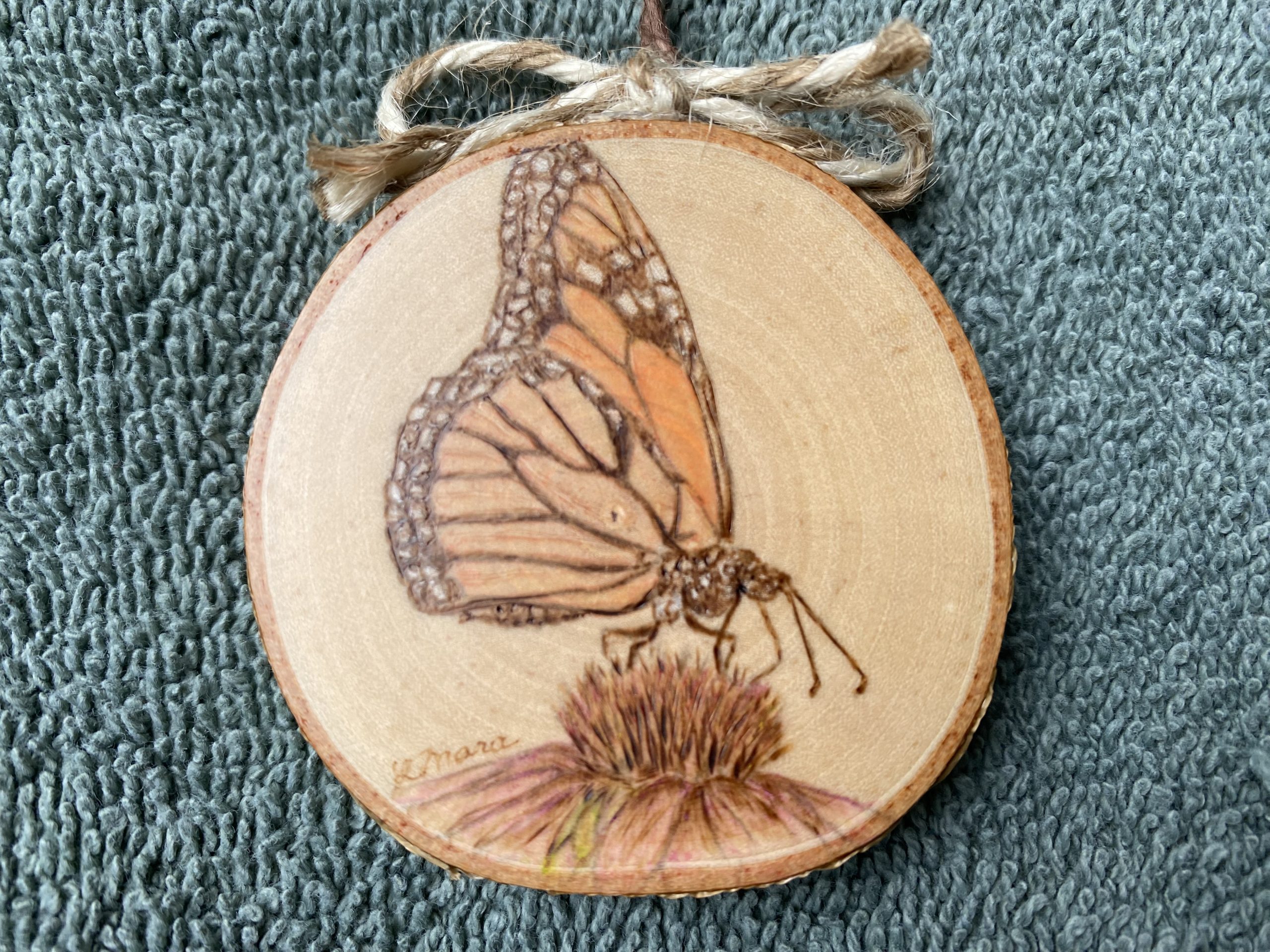
You don't have to be an artist to create wood burned art. This introduction to wood burning, also known as pyrography, will teach you how to create your own unique artwork. We will cover all the basics: safety, burners, tips, transferring images, wood species, adding color and protective finishes. Resources will also be shared for continued learning after class completion. In class, students will try out various tips to see what each is capable of. Students will then have the opportunity to work on up to three projects of nature or Adirondack inspired images.
-
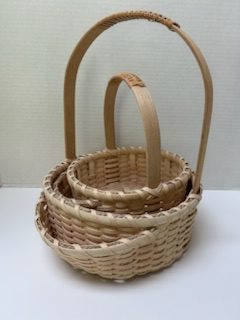
We all need more space to keep our gardening and craft tools. Pantry baskets were designed by Shakers to do just that - sometimes being built so large they needed two people to carry them! Students will begin with a tall oak handle, weaving with natural round and flat reed to get the basket started. The addition of a side pocket will create a truly unique basket with a little extra space for your stuff. Students will have the choice of adding color or decorating the top of their handle to customize their basket. This class is great for all experience levels.
-
You don't have to be an artist to create wood burned art. This introduction to wood burning, also known as pyrography, will teach you how to create your own unique artwork. We will cover all the basics: safety, burners, tips, transferring images, wood species, adding color and protective finishes. Resources will also be shared for continued learning after class completion. In class, students will try out various tips to see what each is capable of. Students will then have the opportunity to work on up to three projects of nature or Adirondack inspired images. |
|
2 events,
-
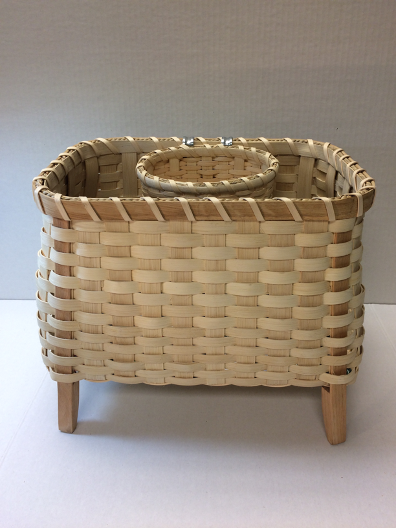
This large storage basket is woven with natural reed and stands on tall feet. Dona will walk you through the process of weaving the basket and fitting on the rectangle hoop rim. If time allows, a smaller removable basket can also be crafted to fit inside to hold additional items. This nesting pair of baskets is great for sewing, craft needs, and a great catch all. Please note: This class is ideal for folks with prior basket weaving experience.
-
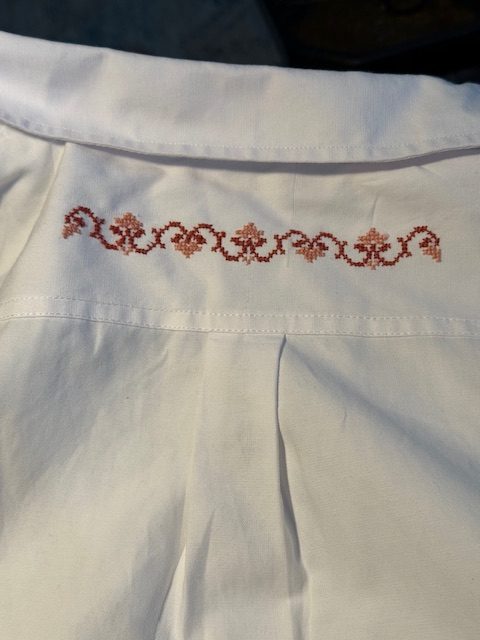
The goal of this course is to apply our basic embroidery skills to embellish a recycled piece of apparel. This could include any item of clothing, tea towels, pillowcases or any other item that could use a freshening-up. It is recommended that students have some experience with embroidery basics. Students should bring an item of clothing or other fabric item to embroider. |
1 event,
-
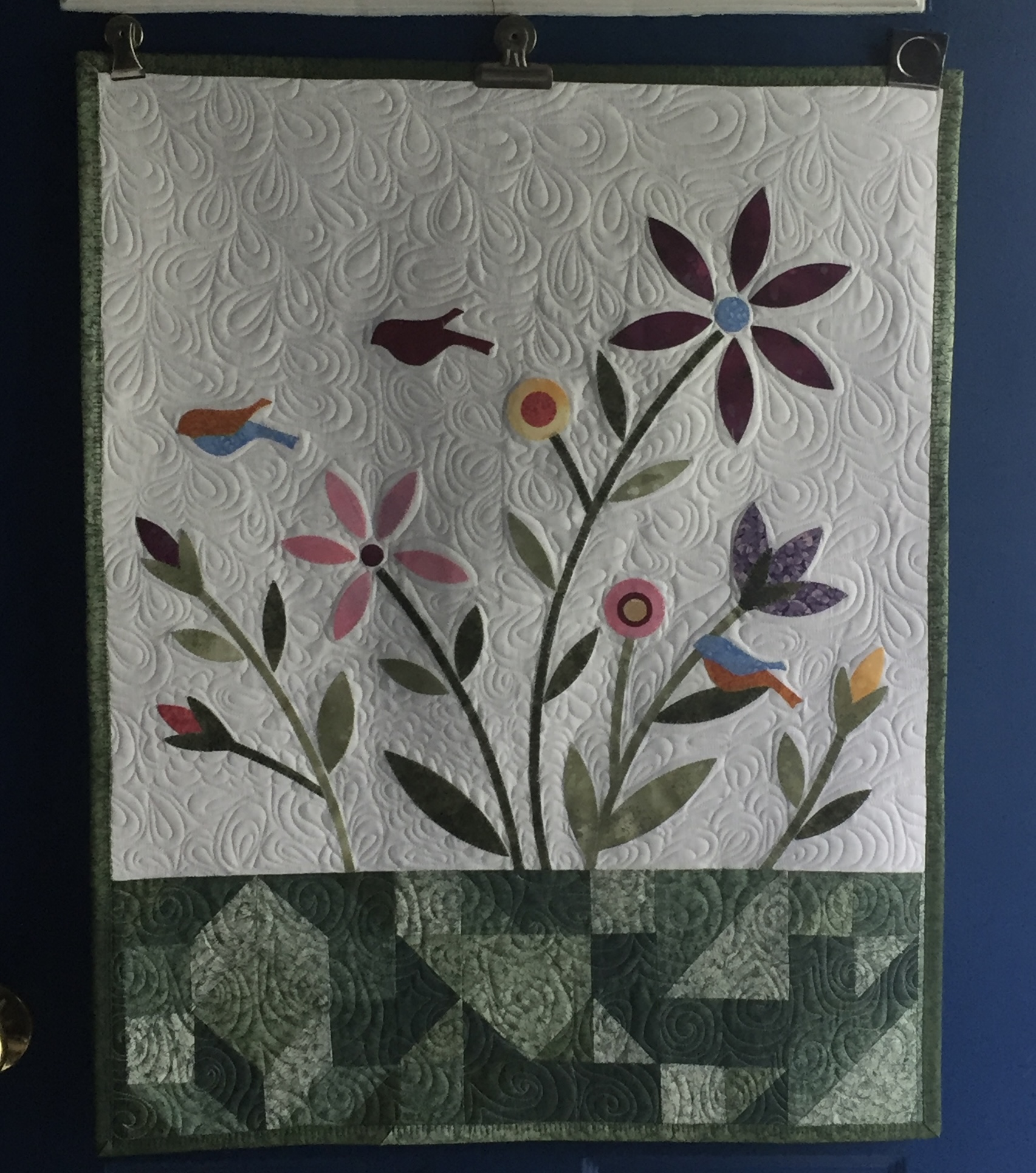
Combining the Accuquilt system with fusible wonder-under takes the fuss out of creating an applique design. Janet will have several dies for students to use to create an applique basic of your own design. This is a wonderful project to use those smaller pieces of cherished quilt "scraps" that you just can't part with! |
1 event,
-

AFS UFO Studio, formerly known as Sewing Circle, is an out of this world opportunity for fiber artists to come and complete the UnFinished Objects floating around their home. UFO Studio is free to attend, and though it is non-instructional, peer-to-peer help is always available. All forms of projects are welcome ? bring your unfinished weaving, sewing, embroidery, rug hooking, knitting, crocheting, felting, or any other project that involves fiber handwork. AFS has a couple of sewing machines, small looms, and hand tools available but please feel free to bring your own! |
0 events,
|
1 event,
-

Using saturated bold strokes of color, participants will create this sweeping view of the Adirondacks. This painting (detail) done by the renowned Adirondack artist, Rockwell Kent (1882-1971), will allow participants to practice cloud formation, mountain peaks and depths, and brushstroke techniques that will bring drama to their piece. Join us for this 2-hour acrylic painting class and bring home your own finished piece, no framing needed. Patrice welcomes all abilities to her classes and teaches simple skills that will bring your art to life. |
1 event,
-
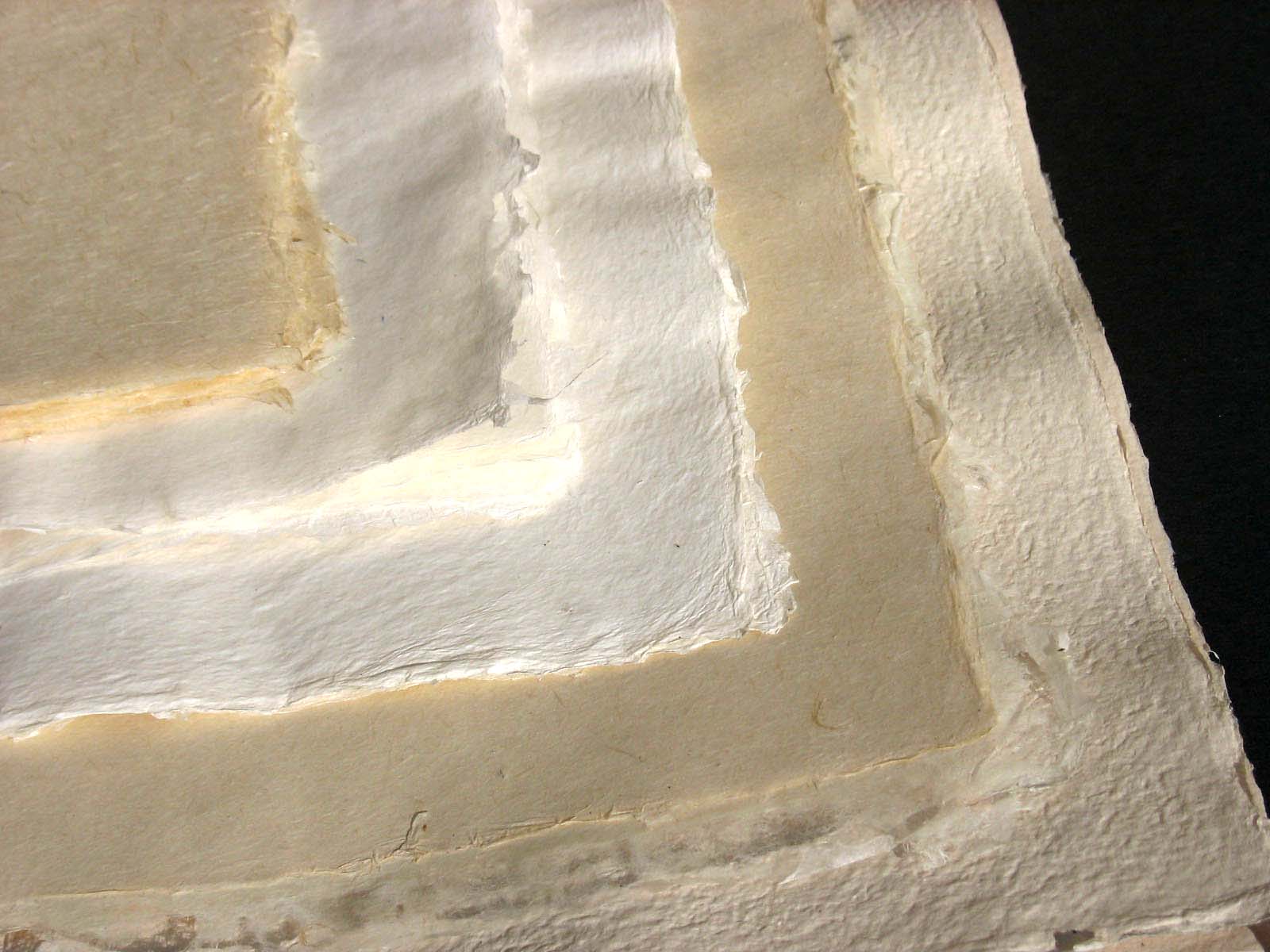
Explore the magic of turning pulp into paper! This hands-on workshop introduces the elements of papermaking by hand, including fiber preparation, pulp handling, sheet forming, pressing and drying. Hand papermaking techniques can be easily learned by the beginner but can also be pursued to advanced levels, with many creative possibilities for the artist and designer. Participants in this workshop will make multiple sheets of paper using a variety of natural fiber, and low-tech equipment. Fiber plus water equals papermaking fun! |
3 events,
-
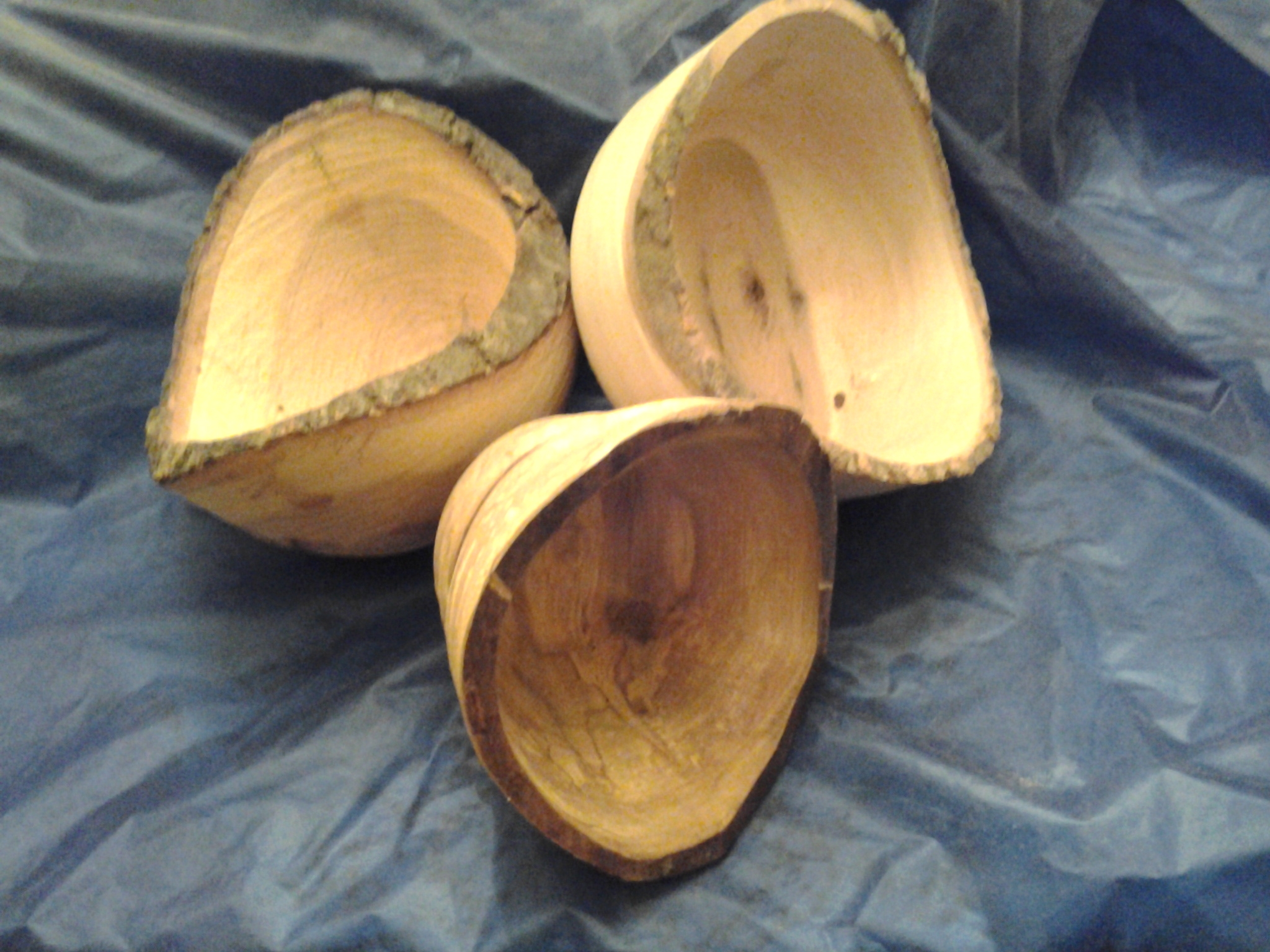
Come create a simple turned bowl that still looks and feels rustic due to its live edge. This course is targeted to those who have an interest in learning how to turn. The emphasis will be on learning how to use a lathe and tools safely and correctly. In this class, you will learn the basics of creating spindle-based objects and then work at turning your bowl. Leave the class with a lovely treasure that captures the "wild" feel of the Adirondacks!
-
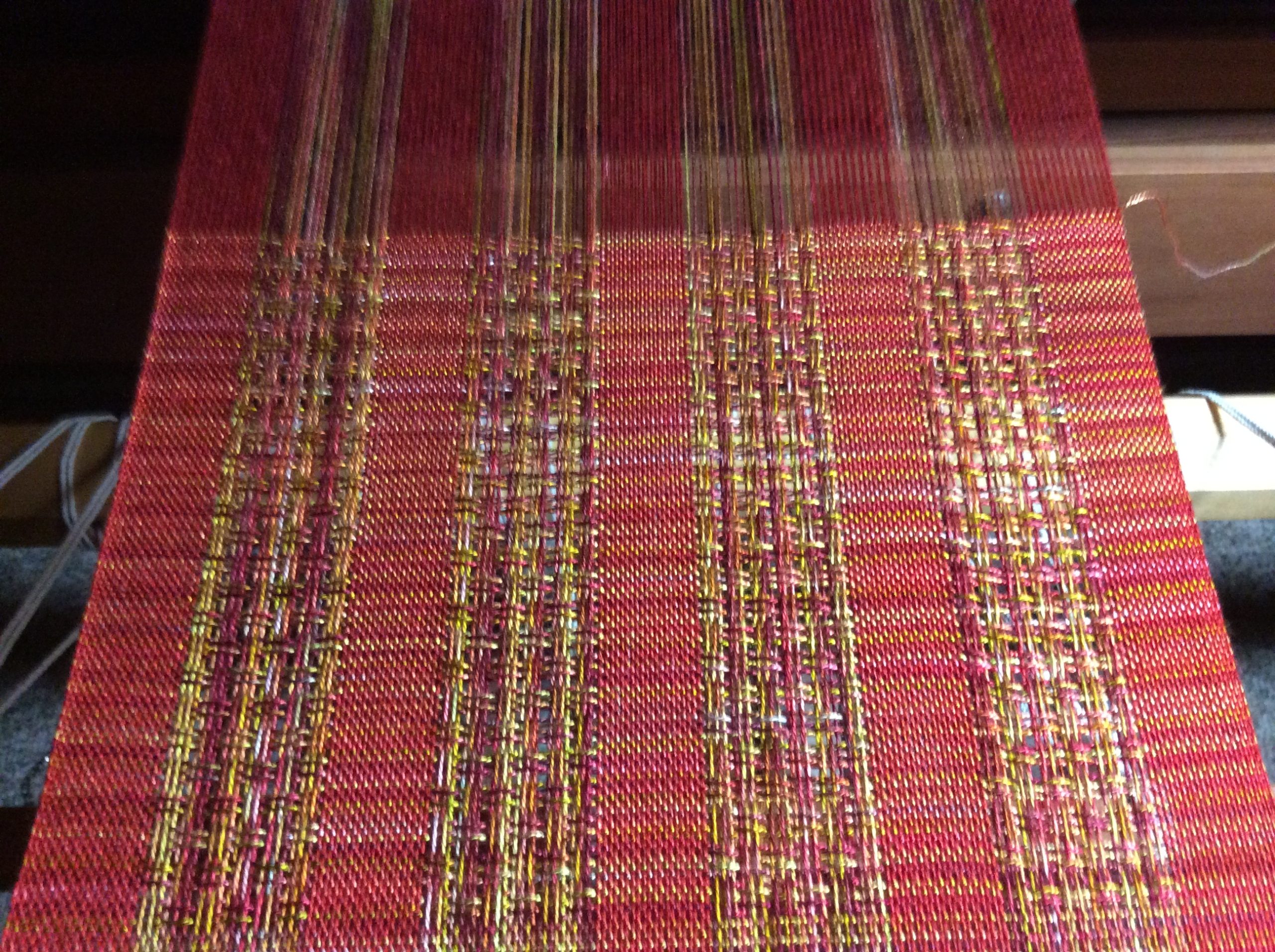
This weave structure creates a light and airy scarf that is perfect for late spring evenings through the early fall crisp days. It is also a wonderful four-season accessory to add color to your outfits. You will complete a 54" scarf with fringe.
-
Explore the magic of turning pulp into paper! This hands-on workshop introduces the elements of papermaking by hand, including fiber preparation, pulp handling, sheet forming, pressing and drying. Hand papermaking techniques can be easily learned by the beginner but can also be pursued to advanced levels, with many creative possibilities for the artist and designer. Participants in this workshop will make multiple sheets of paper using a variety of natural fiber, and low-tech equipment. Fiber plus water equals papermaking fun! |
|
3 events,
-
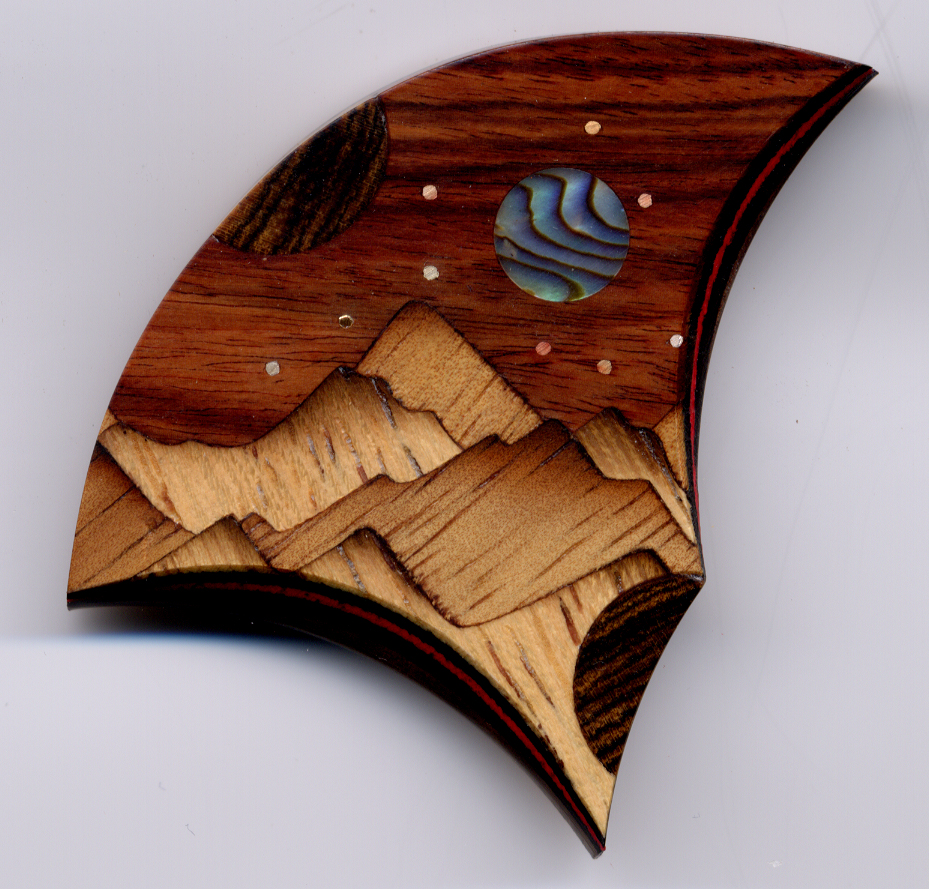
Marquetry is the art of creating imagery using wood veneers. We will explore the creation of a simple mountain motif, which allows for enormous variations in color, shape and texture. It is easily applied to any substrate to create boxes, wall hangings and jewelry ? such as the brooch pictured or the thwart of your canoe. We will learn technique in this class and discuss many applications as well as creating a few simple brooches to take home.
-
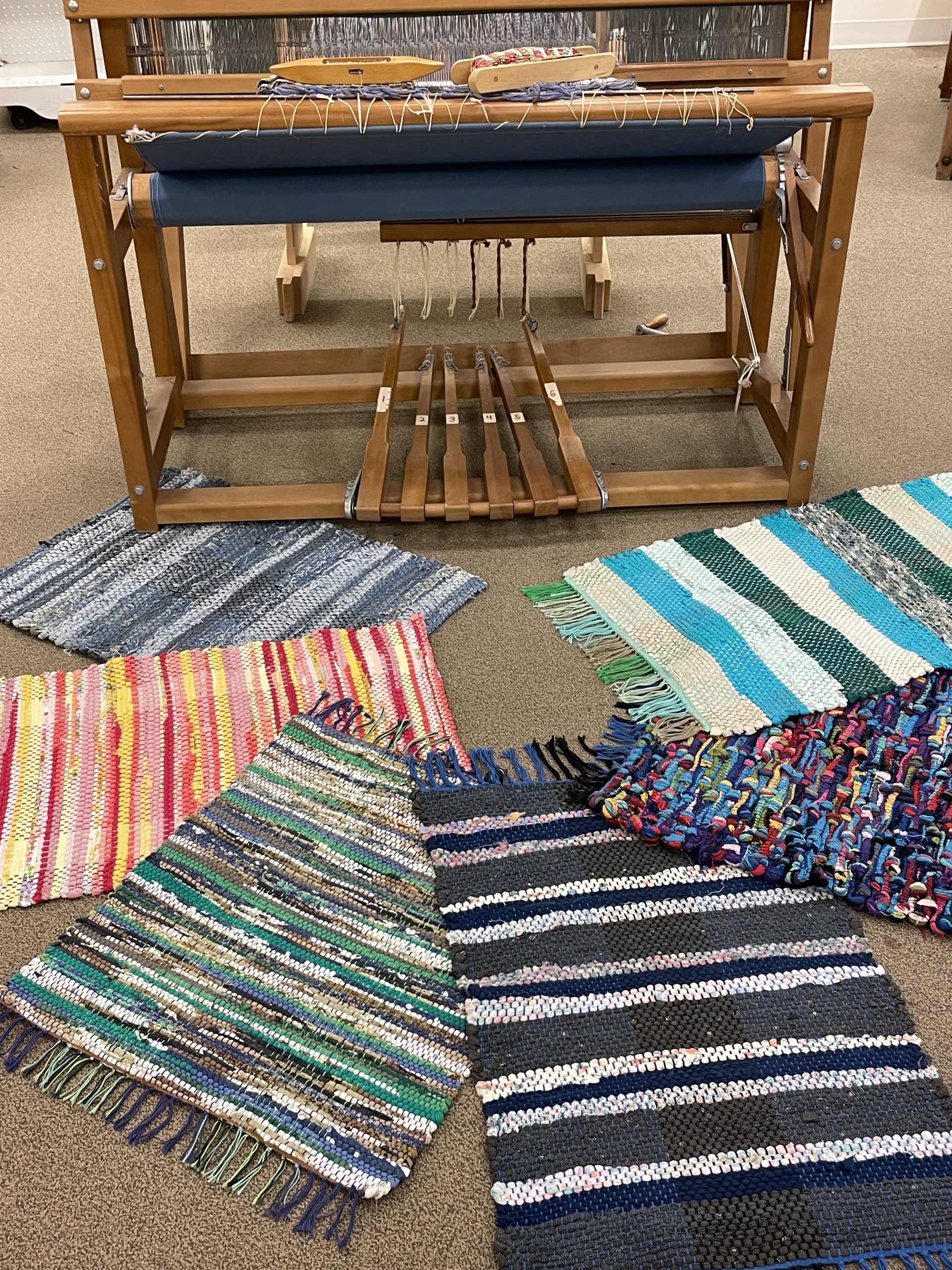
No weaving experience is necessary! You will be making a Rag Rug using recycled fabric. Many colors and designs of fabrics will be available for you to choose from. The looms are dressed and ready to go: all you need to do is bring your creative spirit and you will leave with a finished one-of-a-kind rug that you have designed and woven yourself. Your rug will be 24? wide and can be up to 45? long.
-
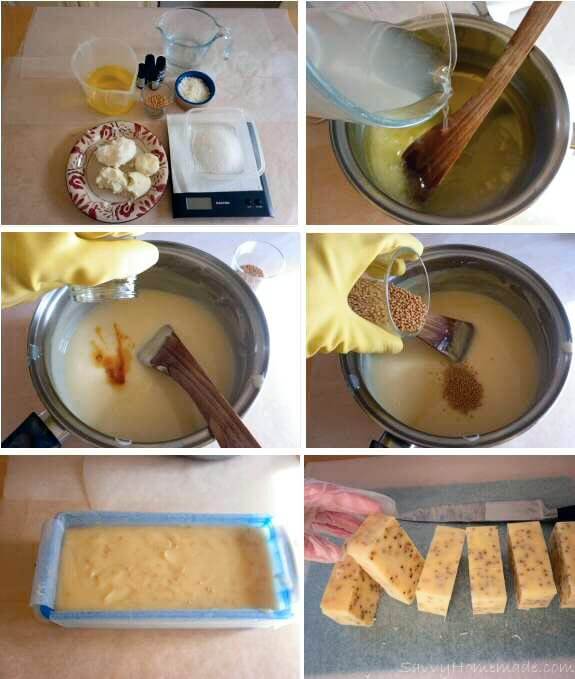
Create soap just like Grandma, but better! Join Chrissey for an enjoyable Sunday afternoon as you learn how to make soap that not only smells good but is all-natural and feels great on your skin. This fun class will teach you how to create soap using the cold-process and natural/organic ingredients. You will learn all about the basic process, oils, and the difference between fragrances and essential oils. You will create soap from a recipe while learning how to handle lye safely. Finally, you'll take home your hand-made soap. So, say good-bye to store-bought soap and start using soap you made yourself! |
0 events,
|
0 events,
|
1 event,
-

Interested in blacksmithing but unsure how to start? Open Forge Night is the place for you! Every third Wednesday of the month during our blacksmithing season, come see demonstrations by expert blacksmith Steve Gurzler. Observing the demonstration is free and open to the public. If you want to try your hand at blacksmithing there is a $20 fee to cover the cost of materials. Safety precautions must be followed - including hard shoes with no open toes, long pants, goggles (supplied) and gloves (supplied). |
1 event,
-

Create your own pine branch wall hanging with vines, leaves, and pinecones. Different size pipe will be pounded and textured on an anvil to make the branches and vines. The leaves and cones will be made from sheet copper, then textured. This class will also involve some soldering. The finished piece will be approximately 25? by 17?. |
2 events,
-
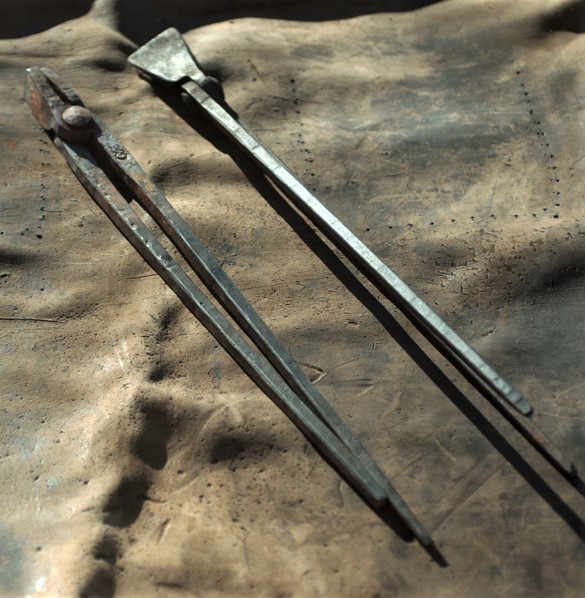
Next to your hammer, the most important tool when working in the forge is your tongs! Properly made tongs will hold work securely and safely, making your forging experience more enjoyable. In this class you'll learn how to make flat jaw, bolt, and lip law tongs and if time allows perhaps more.
-
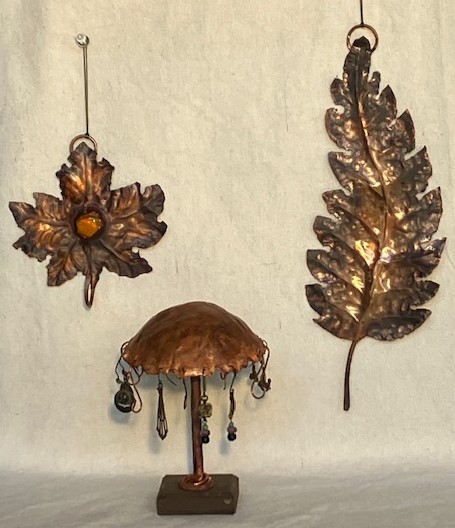
This copper ornament class will allow you to make your choice of 2 of the 3 items advertised. The process will have you cutting out the pieces, forming and texturing on an anvil. You will also be using a small torch as part of the texturing process, and soldering. The maple leaf ornament will have a "glass drop" soldered into the center. The mushroom can be used to hold your jewelry, earrings, and rings. The cap can be lifted off to slide rings on the stem. The stem is epoxied to a piece of bluestone serving as the base. The fern is a wall ornament that can be hung or laid in a windowsill. The fern is 10 inches tall, the maple leaf is 5 inches by 5 inches and the mushroom is 5 inches tall. |
2 events,
-
Next to your hammer, the most important tool when working in the forge is your tongs! Properly made tongs will hold work securely and safely, making your forging experience more enjoyable. In this class you'll learn how to make flat jaw, bolt, and lip law tongs and if time allows perhaps more.
-
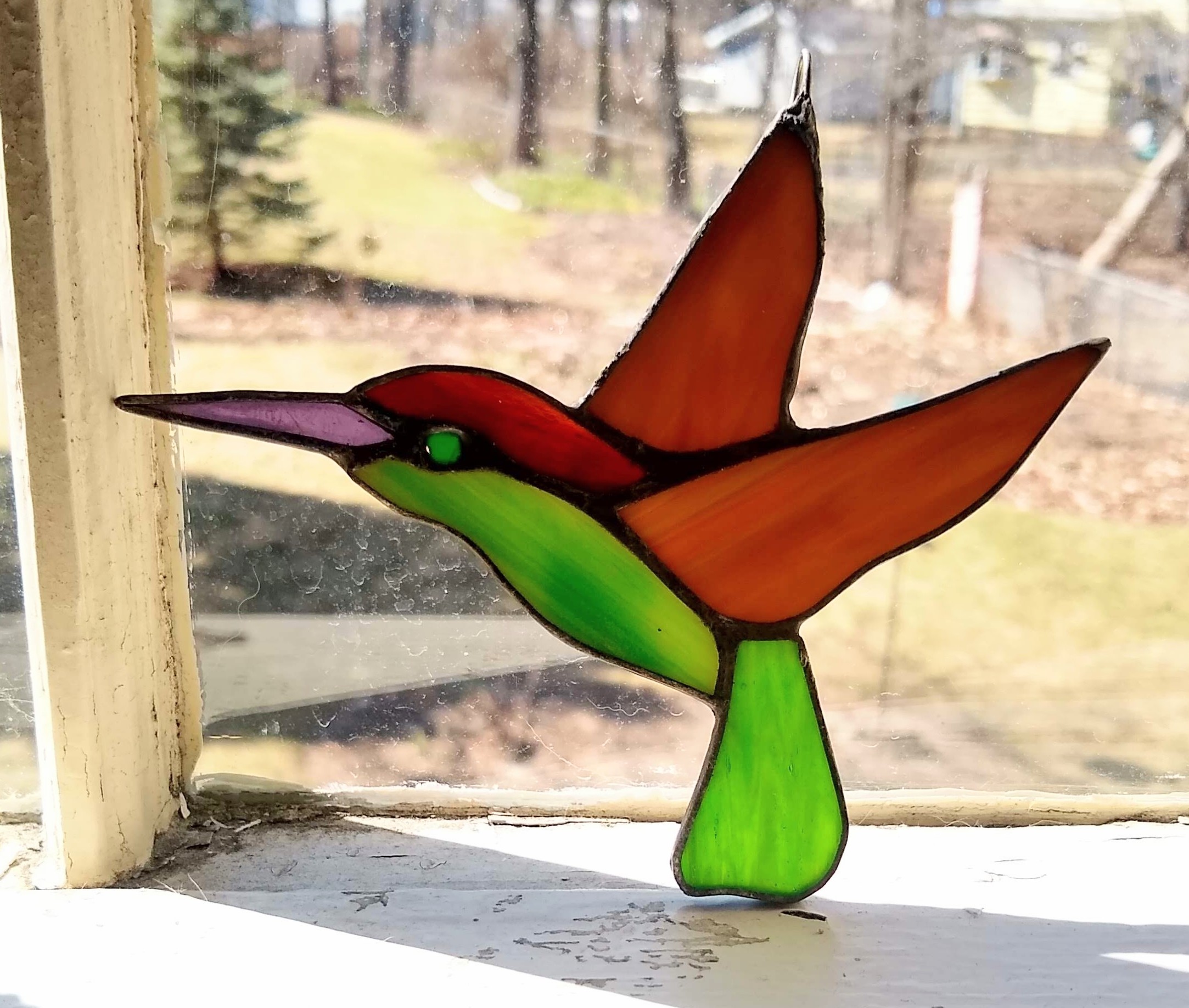
In this workshop we will complete a small Tiffany style suncatcher. Students will be able to choose a pre-drawn pattern from a variety of designs and be guided as they learn to cut the glass (chosen from a variety of types and colors), smooth the glass pieces with a grinder, apply copper foil tape, solder the pieces together into the final piece using lead-free solder, apply patina (optional), and add jump rings or a stained glass stand. |
|
1 event,
-
Next to your hammer, the most important tool when working in the forge is your tongs! Properly made tongs will hold work securely and safely, making your forging experience more enjoyable. In this class you'll learn how to make flat jaw, bolt, and lip law tongs and if time allows perhaps more. |
0 events,
|
0 events,
|
0 events,
|
2 events,
-
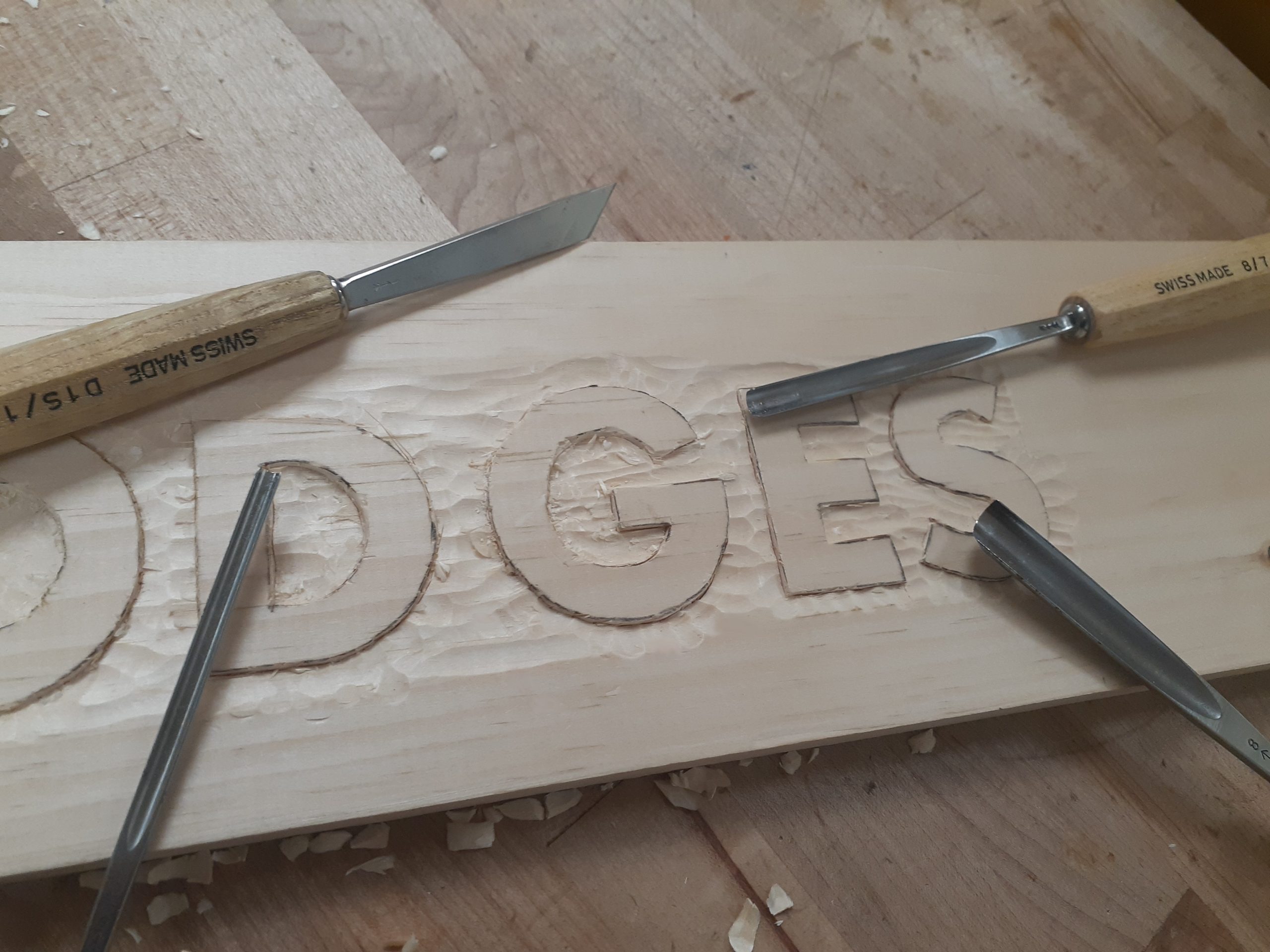
Carve a decorative door topper for your interior or exterior door. Learn to design, lay out, and carve, a scenic design or welcome sign for the top of your door.
-

The Junior Pack is a small decorative version of a traditional Adirondack Pack basket. This is a great size for a gift or mail basket. Multiple techniques used to include plain weave, continuous weave, scarfing weaver, and tapering the weaver. Linda will guide you with shaping as you weave to form the belly in the front while maintaining a straight back and sides. Complete with a hardwood handle, fitting the rim to fit the basket and lashing. The finishing touch; a webbing or leather harness made by Linda. Dimensions: 6? x 8? x 10 ?? high. Instructor will bring all materials to make the basket. Leather harness is dark brown. Webbing harness color choices will be the colors available at time of class. Instructor will bring all the materials to make the basket. Students should wear comfortable clothing. Baskets will not be stained during class. |
2 events,
-
Carve a decorative door topper for your interior or exterior door. Learn to design, lay out, and carve, a scenic design or welcome sign for the top of your door.
-
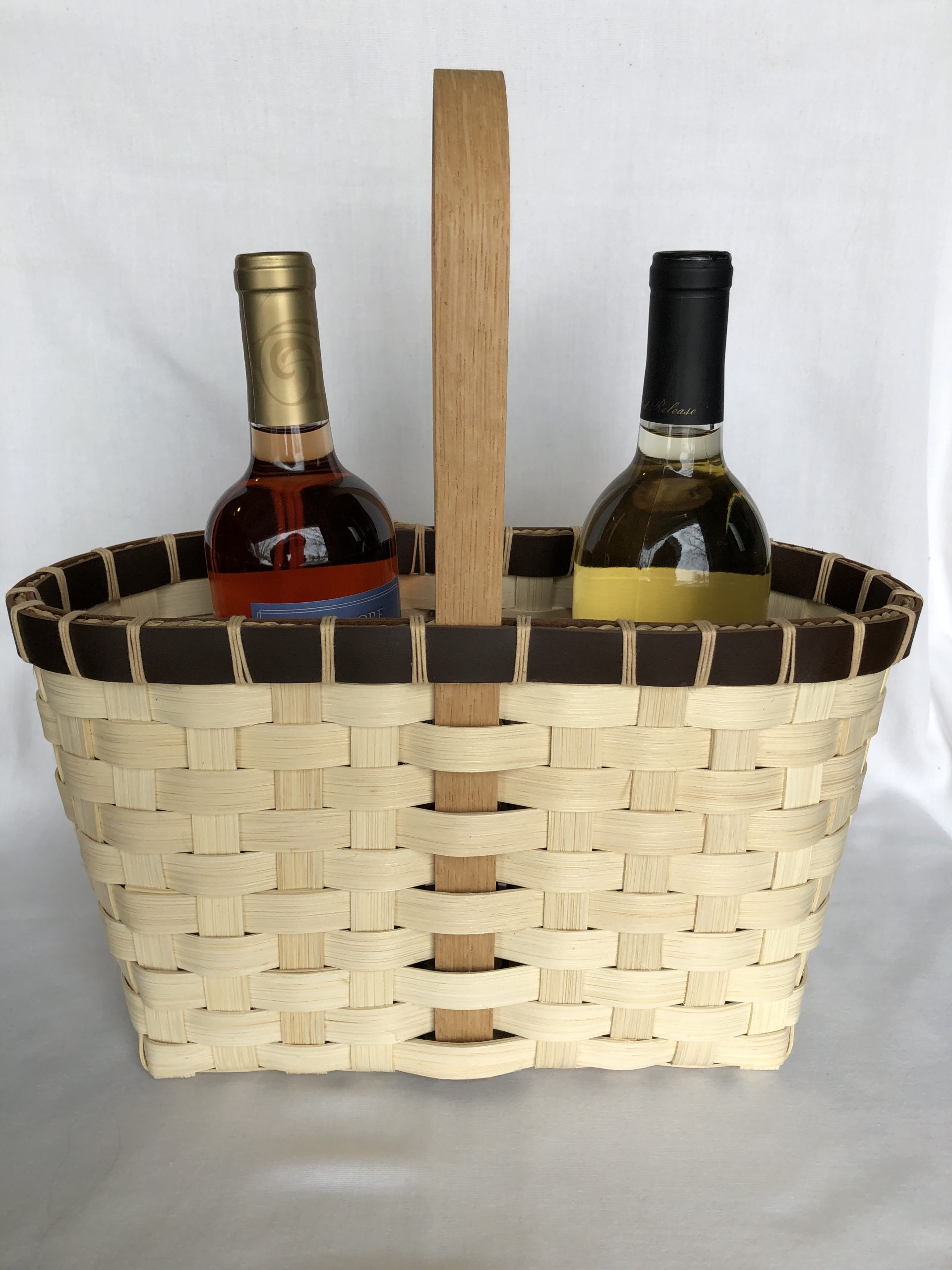
This is a great basket to make for a gift or yourself. Woven with a combination of natural reed, seagrass, hardwood handle and leather rim making a great accent. A leather divider is woven in the basket to protect the bottles. Students have a choice of black or brown leather. Instructor will bring all materials to make the basket. Students should wear comfortable clothing. Approx. dimensions: 5? x 10? x 17 ?? high with handle. |
3 events,
-
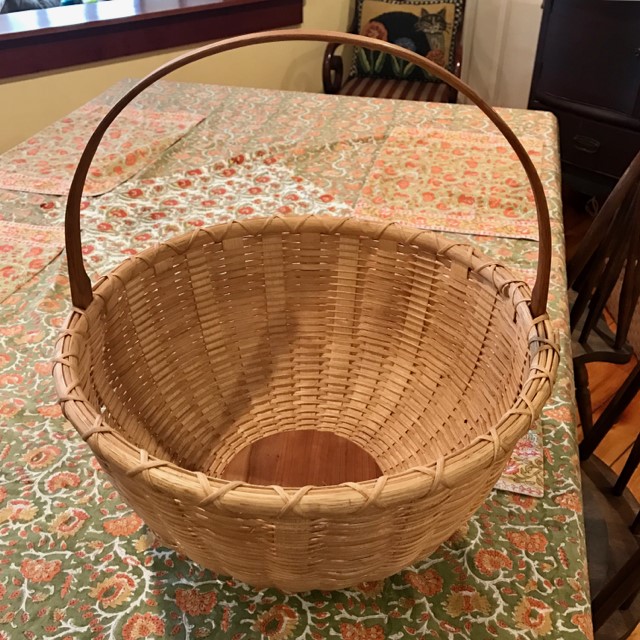
This basket is woven on a pre-stained round oak base, and employs continuous chase weave to build the sides. Students will learn the process for determining the number of spokes needed for continuous weave, and be challenged and excited to watch their baskets grow with two weavers. Students make their own leather handles in class, which incorporate into the rim. This rustically graceful and functional basket is woven on a 6" base which grows into a 12" diameter basket. The basket measures 10” high at sides.
-
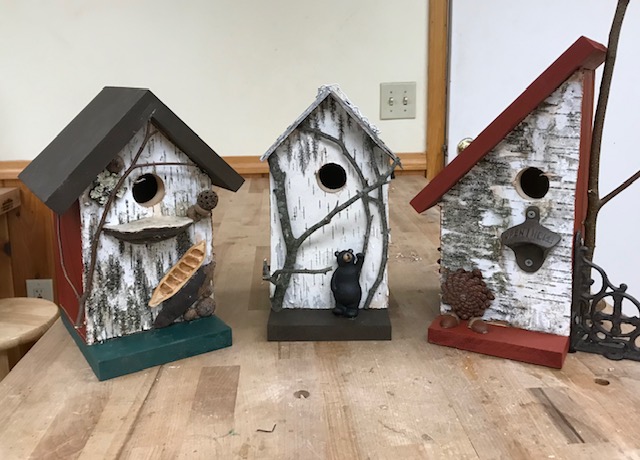
Anyone can learn to make a rustic birdhouse in just a few hours. A birdhouse is a simple structure with seven basic parts: two sides, a front and back, a bottom, and two pieces for the top. Power tools are not necessary to cut the wood; it can be done with a handsaw. Using rough-cut lumber, you will construct a rustic birdhouse that can be functional and/or decorative. Choose from several birdhouse designs. There will be a short discussion about nesting birds, feeding birds and suitable houses for area birds. Participants are encouraged to bring objects (such as old drawer pulls, doorknobs, hardware, etc.) from home. Adults and teens welcome; children ages 10-14 must be accompanied by an adult.
-
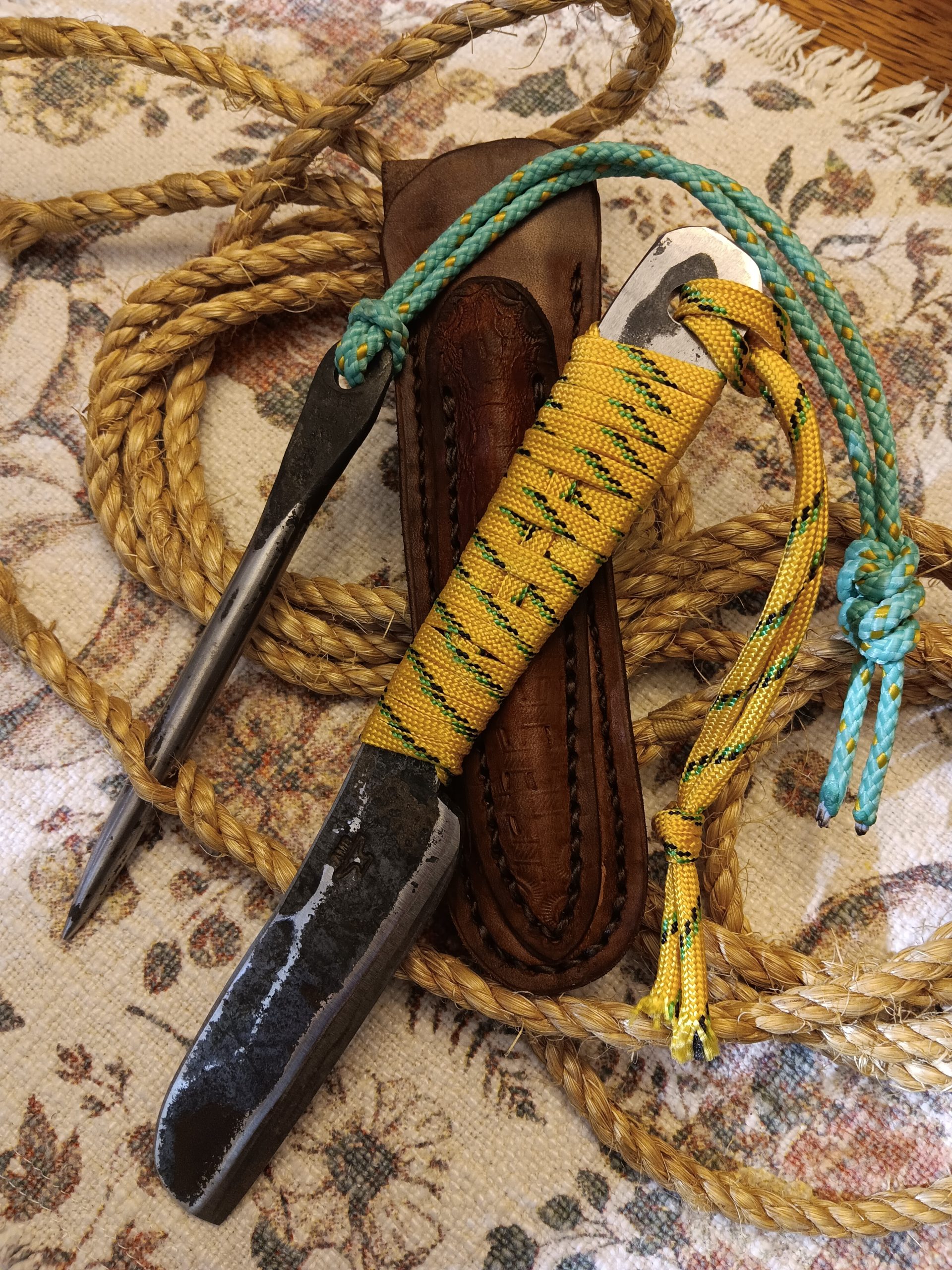
In this class you'll learn to forge a knife featuring a sheepsfoot blade with a paracord wrapped handle, crafted from mild steel and hardened using super quench. The sheepsfoot blade, known for its straight edge and rounded tip, is ideal for clean controlled cuts without the risk of accidental punctures- perfect for slicing rope or working on confined spaces. You'll also forge a marlin spike; a pointed metal tool designed to separate rope strands and untie stubborn knots. It's an essential tool for sailors and anyone who works with lines, and it's especially useful when splicing multi-stranded ropes. To complete the set, we'll make a belt sheath from vegetable-tanned cowhide, custom-fitted to hold both tools securely. This practical combo is a must-have for nautical enthusiasts and outdoorsmen alike. |
|
3 events,
-

The origins of this basket are unknown but lean heavily on the traditions of Cherokee patterned weaving. This is Beverly's variation on a pattern by Lyn Siler. If you have extensive weaving experience and are looking for a challenge, this is the class for you! The patterned weave will require concentration and determination to weave successfully. The base of this basket is twill woven with the patterned weave sandwiched between more twill woven rows. Students will use natural reed spokes with dyed weavers for the patterned rows to help them see the pattern as it develops. Dimensions are 13" x 13" x 3 1/2" plus handle.
-
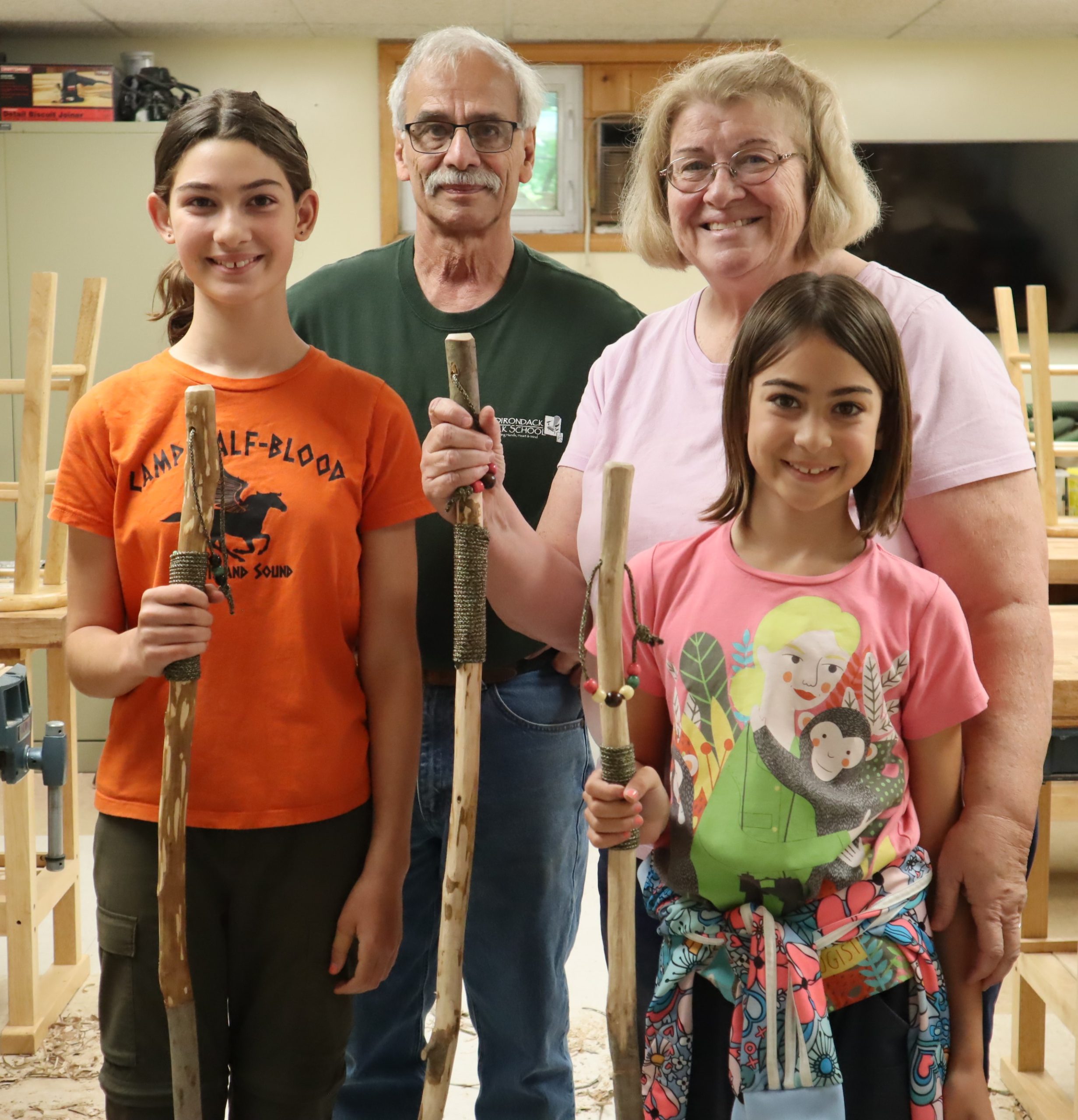
Learn how to make your very own personal hiking stick. Begin by selecting the perfect stick collected by the instructor. Then you will learn how to shave and carve your hiking stick. Once you are happy with your creation, the sticks will be completed by drilling a hole in them and adding a lanyard. Once finished, put your stick to good use on the trail running right by our school!
-
In this class you'll learn to forge a knife featuring a sheepsfoot blade with a paracord wrapped handle, crafted from mild steel and hardened using super quench. The sheepsfoot blade, known for its straight edge and rounded tip, is ideal for clean controlled cuts without the risk of accidental punctures- perfect for slicing rope or working on confined spaces. You'll also forge a marlin spike; a pointed metal tool designed to separate rope strands and untie stubborn knots. It's an essential tool for sailors and anyone who works with lines, and it's especially useful when splicing multi-stranded ropes. To complete the set, we'll make a belt sheath from vegetable-tanned cowhide, custom-fitted to hold both tools securely. This practical combo is a must-have for nautical enthusiasts and outdoorsmen alike. |
1 event,
-
The origins of this basket are unknown but lean heavily on the traditions of Cherokee patterned weaving. This is Beverly's variation on a pattern by Lyn Siler. If you have extensive weaving experience and are looking for a challenge, this is the class for you! The patterned weave will require concentration and determination to weave successfully. The base of this basket is twill woven with the patterned weave sandwiched between more twill woven rows. Students will use natural reed spokes with dyed weavers for the patterned rows to help them see the pattern as it develops. Dimensions are 13" x 13" x 3 1/2" plus handle. |
0 events,
|
0 events,
|
0 events,
|
1 event,
-
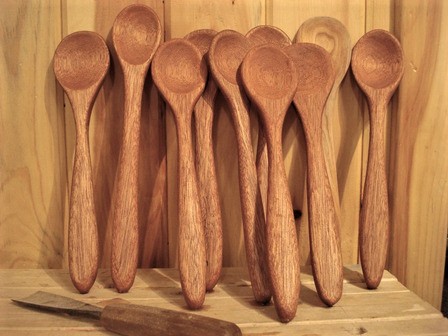
In this class students will design, shape and carve a serving spoon. Skills explored include: making a template and transferring it to a blank, carving and shaping the bowl and back of the spoon, use of hand tools such as gouges, scrapers, coping saws, and spokeshaves, and sanding and finishing techniques. Students will leave class with a beautiful, handcrafted hardwood spoon to use in their own kitchens or to give as a gift! |
0 events,
|