• Block by Block: Lego Prints

    Adirondack Folk School 51 Main St., Lake Luzerne, NY, United States

    In this fun hands-on workshop, students will use flat LEGO pieces and LEGO dots to build their own printmaking blocks. We will roll ink onto our designs and press them onto paper or fabric to make our own one-of-a-kind artwork! This exciting process is inspired by traditional Adirondack crafts where people decorated their own fabrics, furniture and signs by using carved blocks, stencils and nature themed patterns. Similar to artisans of the past, we will create patterns and designs inspired by the things we love and cherish around us!

  • Build a Wee Lassie Canoe

    The original Wee Lassie was a lapstrake-built open cedar canoe made in 1863 by J. Henry Rushton of Canton, NY. Rushton was one of the most famous canoe builders of his era. George Washington Sears, who wrote of his adventures under his pen name of Nessmuk as he recorded his paddling adventures throughout the Adirondacks, popularized these small, finely crafted canoes. Come spend 11 wonderful days with master instructor Larry Benjamin building your own Wee Lassie. You will be guided through every step of the building process. Leave with a beautiful, lightweight canoe that handles well in the water. Open to all level of student.

  • Simple Copper Bowl

    Adirondack Folk School 51 Main St., Lake Luzerne, NY, United States

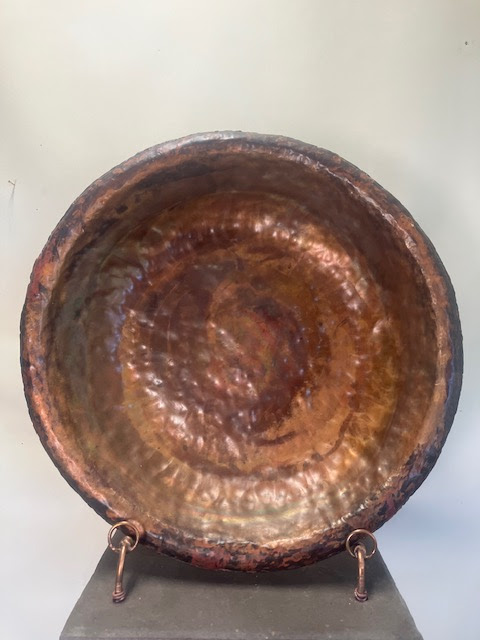
    With the use of specialized planishing hammers, a template and an anvil, students will form an old world hand tooled bowl. A patina will be a result of thermalling with an acetylene/oxygen torch. An easel will be provided to display your custom made bowl.

  • Stained Glass Solar Jars

    Adirondack Folk School 51 Main St., Lake Luzerne, NY, United States

    In this class we will be cutting and applying stained glass mosaic pieces to a clear glass jar to create a solar jar light or candle jar. Inspiration patterns and/or photos will be provided or students may bring their own. These should be relatively simple images, and must be exactly 3? high by 10.5? wide.

  • Build a Wee Lassie Canoe

    The original Wee Lassie was a lapstrake-built open cedar canoe made in 1863 by J. Henry Rushton of Canton, NY. Rushton was one of the most famous canoe builders of his era. George Washington Sears, who wrote of his adventures under his pen name of Nessmuk as he recorded his paddling adventures throughout the Adirondacks, popularized these small, finely crafted canoes. Come spend 11 wonderful days with master instructor Larry Benjamin building your own Wee Lassie. You will be guided through every step of the building process. Leave with a beautiful, lightweight canoe that handles well in the water. Open to all level of student.

  • Beginning Crochet – Make a Dishcloth

    Adirondack Folk School 51 Main St., Lake Luzerne, NY, United States

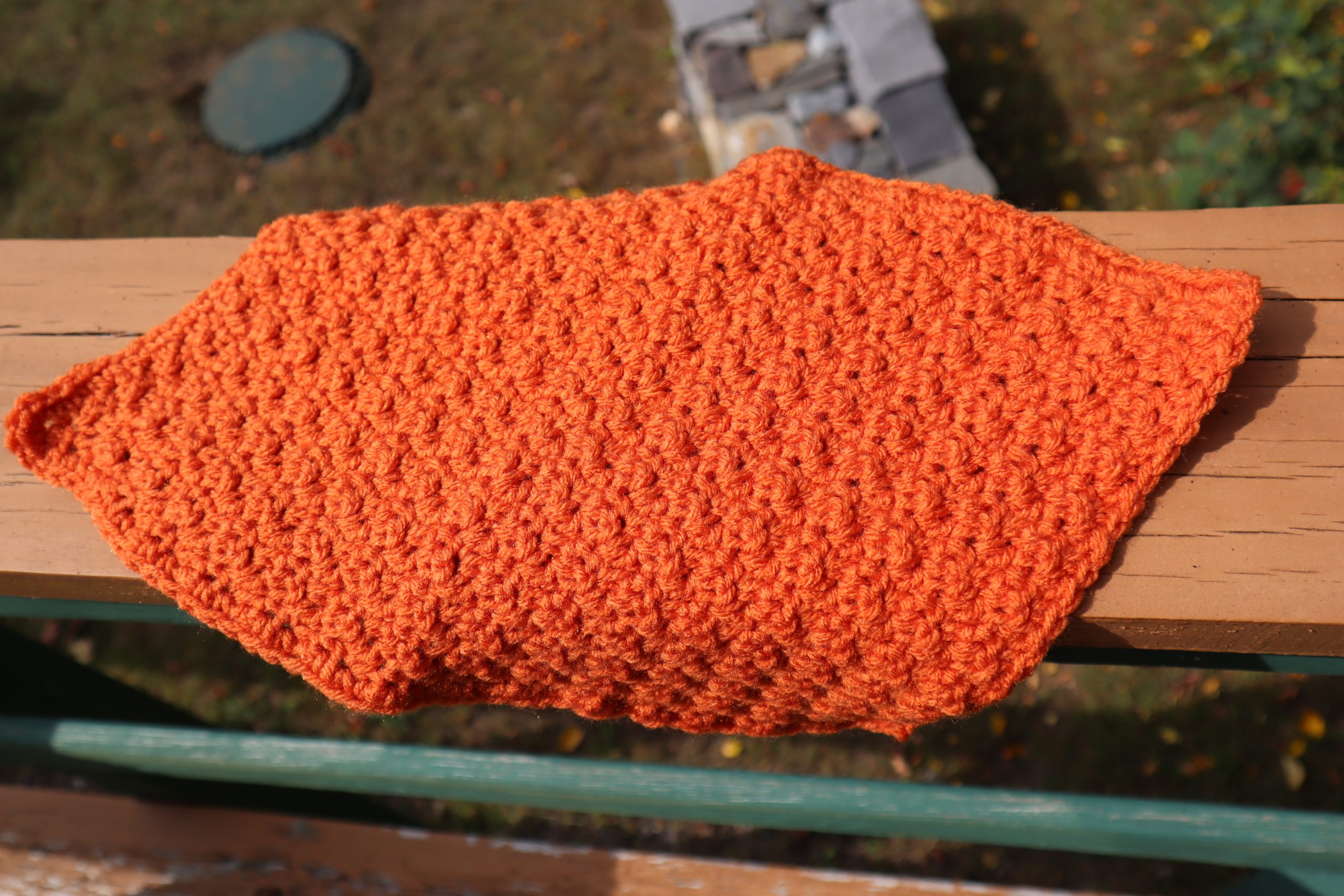
    Learning to crochet is a snap! Don't feel intimidated by the lovely creations that you see. You can learn to make them, too. Patricia will help you learn several different stitches as you make something beautiful for your home or a gift. Ages 8 and up. All materials will be provided, but students may bring their own yarn and crochet hook if desired.

  • National Curriculum Level 1

    Adirondack Folk School 51 Main St., Lake Luzerne, NY, United States

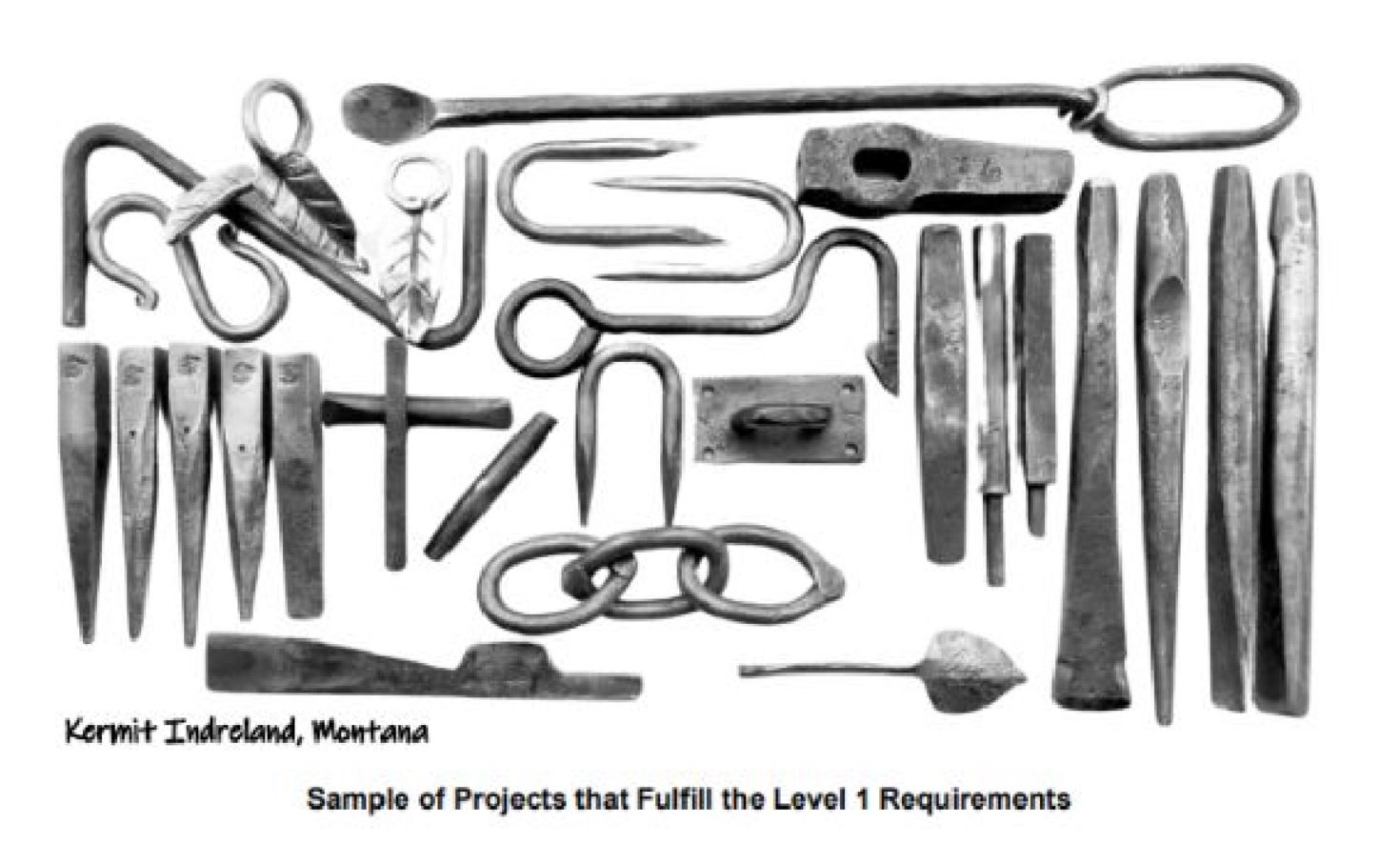
    The National Curriculum offers a step-by-step progression through three levels of fundamental blacksmithing skills. Certification signifies that a smith has demonstrated mastery of a specific set of skills, increasing in complexity with each level: Level I (beginner), Level II (intermediate), Level III (advanced). Level I is the first level of the curriculum and is designed as a guide through beginning blacksmithing techniques. Starting with safety, Level I then moves into core skills and techniques, including tapering, bending, forging and heat-treating hand tools, punching and drifting, basic blacksmithing math, forging to dimension, forge-welding, and creating tenons. It culminates in a final project, the Gate Latch, designed to test the student on these skills. Upon completion of Level I, students will have confidence in the most essential blacksmithing skills and be able to forge a wide variety of projects. The program is designed to provide a solid foundation within the craft. To earn certification, the student needs to successfully complete the projects and techniques as outlined in the checklist in the Level I Student Packet. This is found on the website abana.org The checklist allows students and instructors to keep track of progress. ABANA will accept the recommendation from an Affiliate?s Education Program Chair or the judgment of a Certified Level I Instructor that qualifies a student as having passed Level I.
  • Introduction to Woodworking

    Adirondack Folk School 51 Main St., Lake Luzerne, NY, United States

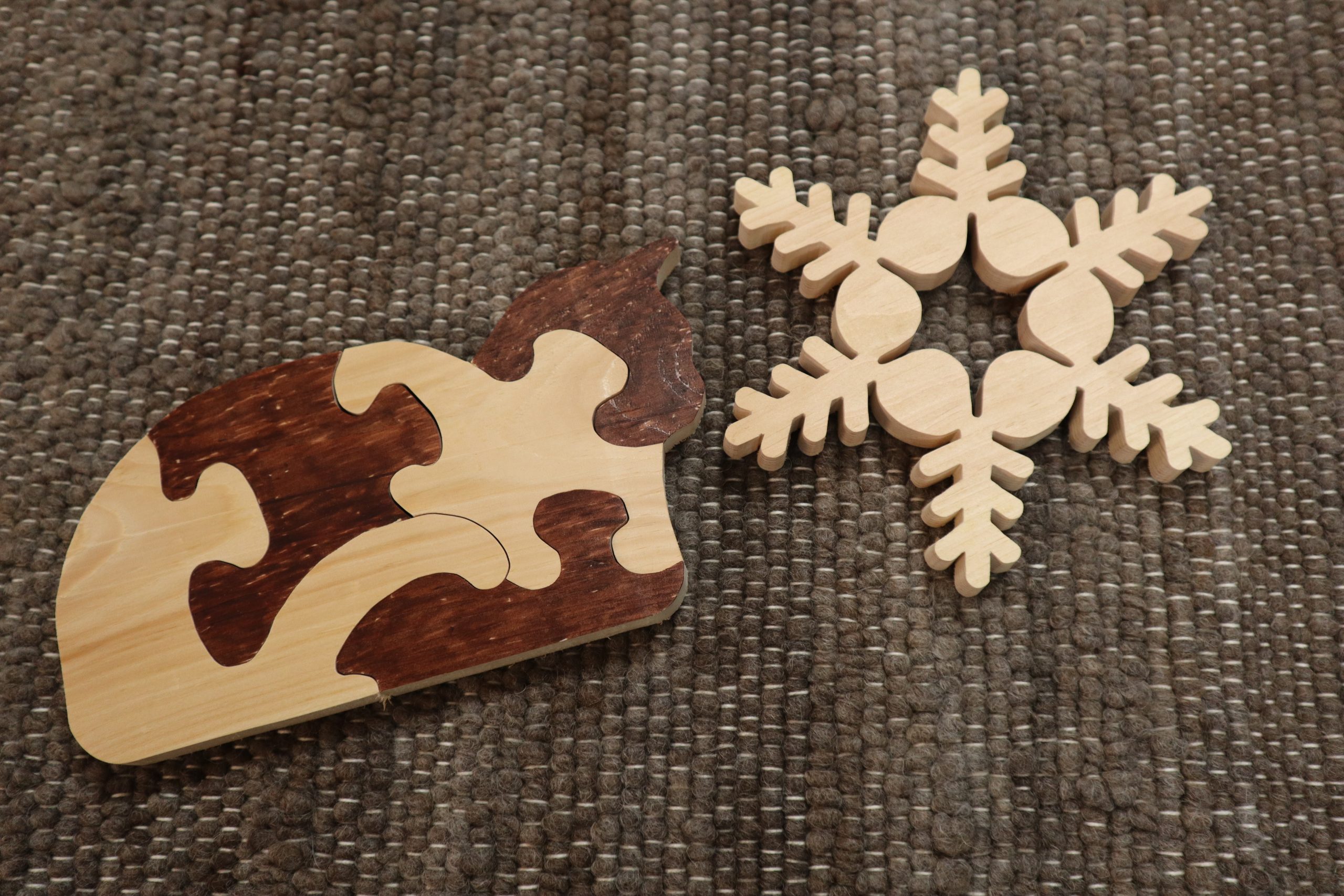
    Unsure how to begin woodworking? Jim will guide you through the basics of hand and power tool safety. Students will receive group and on-on-one coaching on the use of tools and working with wood – planing, measuring, cutting, joining, assembly and finish. The class is great for beginners and those who want to take their skills to the next level.

  • National Curriculum Level 1

    Adirondack Folk School 51 Main St., Lake Luzerne, NY, United States

    The National Curriculum offers a step-by-step progression through three levels of fundamental blacksmithing skills. Certification signifies that a smith has demonstrated mastery of a specific set of skills, increasing in complexity with each level: Level I (beginner), Level II (intermediate), Level III (advanced). Level I is the first level of the curriculum and is designed as a guide through beginning blacksmithing techniques. Starting with safety, Level I then moves into core skills and techniques, including tapering, bending, forging and heat-treating hand tools, punching and drifting, basic blacksmithing math, forging to dimension, forge-welding, and creating tenons. It culminates in a final project, the Gate Latch, designed to test the student on these skills. Upon completion of Level I, students will have confidence in the most essential blacksmithing skills and be able to forge a wide variety of projects. The program is designed to provide a solid foundation within the craft. To earn certification, the student needs to successfully complete the projects and techniques as outlined in the checklist in the Level I Student Packet. This is found on the website abana.org The checklist allows students and instructors to keep track of progress. ABANA will accept the recommendation from an Affiliate?s Education Program Chair or the judgment of a Certified Level I Instructor that qualifies a student as having passed Level I.

  • Leather & Cowhide Valet Tray

    Adirondack Folk School 51 Main St., Lake Luzerne, NY, United States

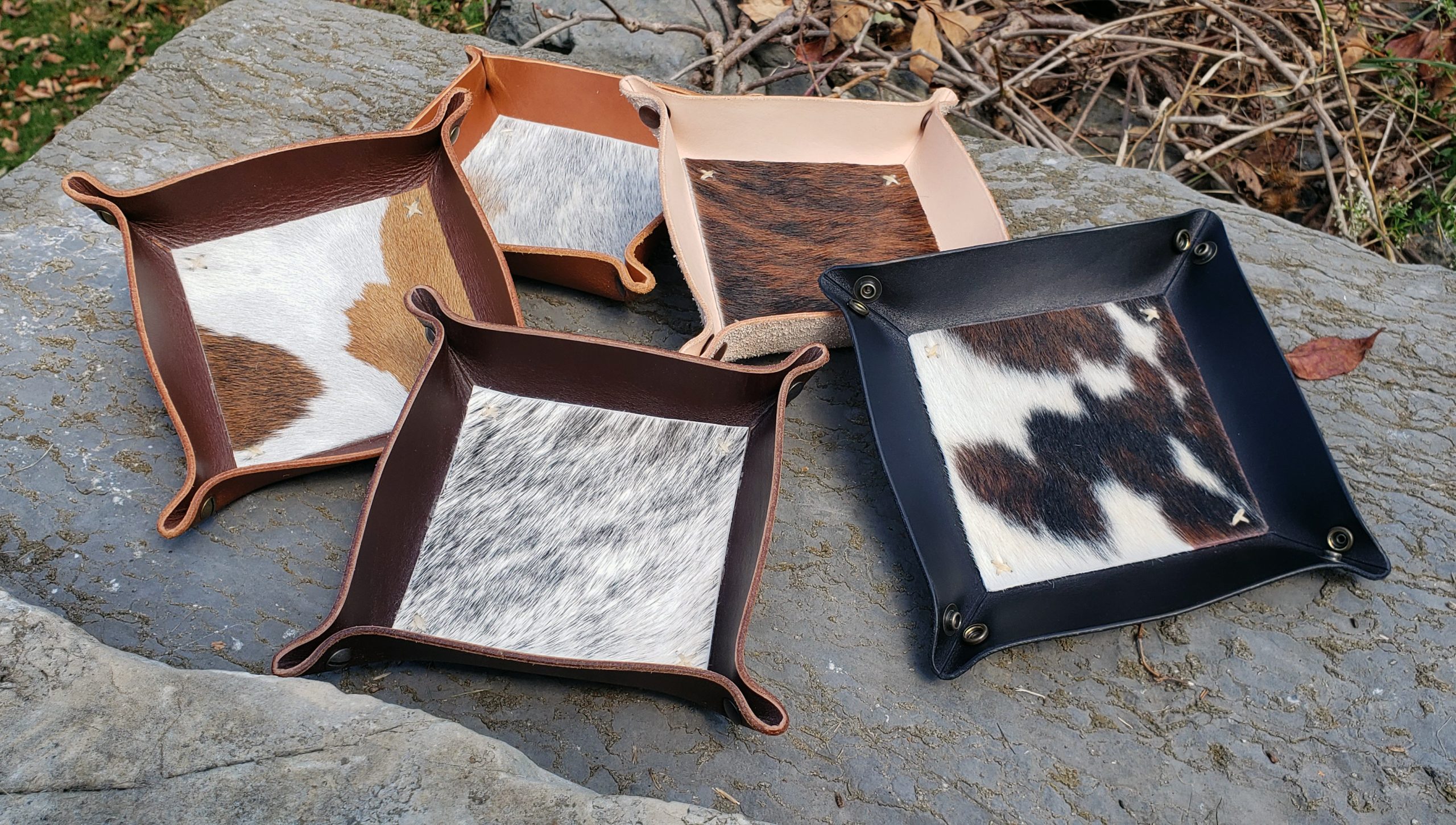
    This is an introductory class where students will learn leathercraft basics, as well as how to use various tools and techniques including, but not limited to, cutting, edge beveling and burnishing, grooving, setting hardware, and letter stamping. There will be two leather types to select from, in addition to finish/color, cowhide pattern, faux sinew color, and hardware finish. Students will complete the class with their very own one-of-a-kind, heirloom quality tray to hold all of their essentials on a desk, dresser, nightstand, or elsewhere. Overall finished tray size is 7" x 7".

  • Traditional Soap Making

    Adirondack Folk School 51 Main St., Lake Luzerne, NY, United States

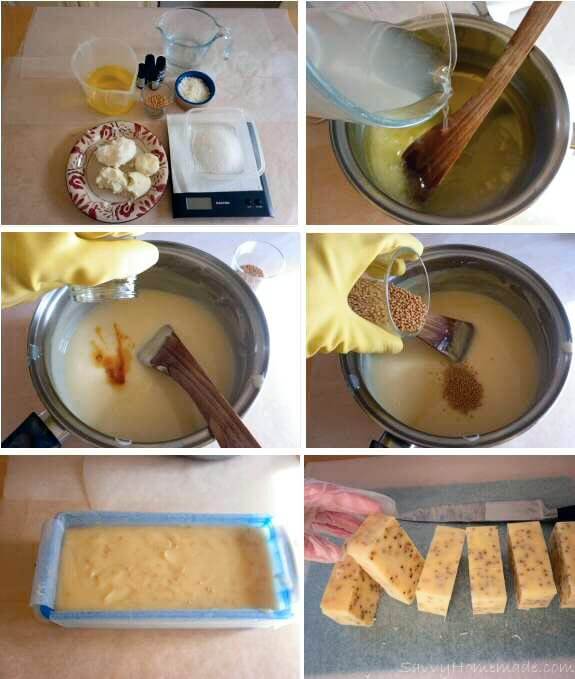
    Create soap just like Grandma, but better! Join Chrissey for an enjoyable Sunday afternoon as you learn how to make soap that not only smells good but is all-natural and feels great on your skin. This fun class will teach you how to create soap using the cold-process and natural/organic ingredients. You will learn all about the basic process, oils, and the difference between fragrances and essential oils. You will create soap from a recipe while learning how to handle lye safely. Finally, you'll take home your hand-made soap. So, say good-bye to store-bought soap and start using soap you made yourself!

  • Build a Wee Lassie Canoe

    The original Wee Lassie was a lapstrake-built open cedar canoe made in 1863 by J. Henry Rushton of Canton, NY. Rushton was one of the most famous canoe builders of his era. George Washington Sears, who wrote of his adventures under his pen name of Nessmuk as he recorded his paddling adventures throughout the Adirondacks, popularized these small, finely crafted canoes. Come spend 11 wonderful days with master instructor Larry Benjamin building your own Wee Lassie. You will be guided through every step of the building process. Leave with a beautiful, lightweight canoe that handles well in the water. Open to all level of student.